-
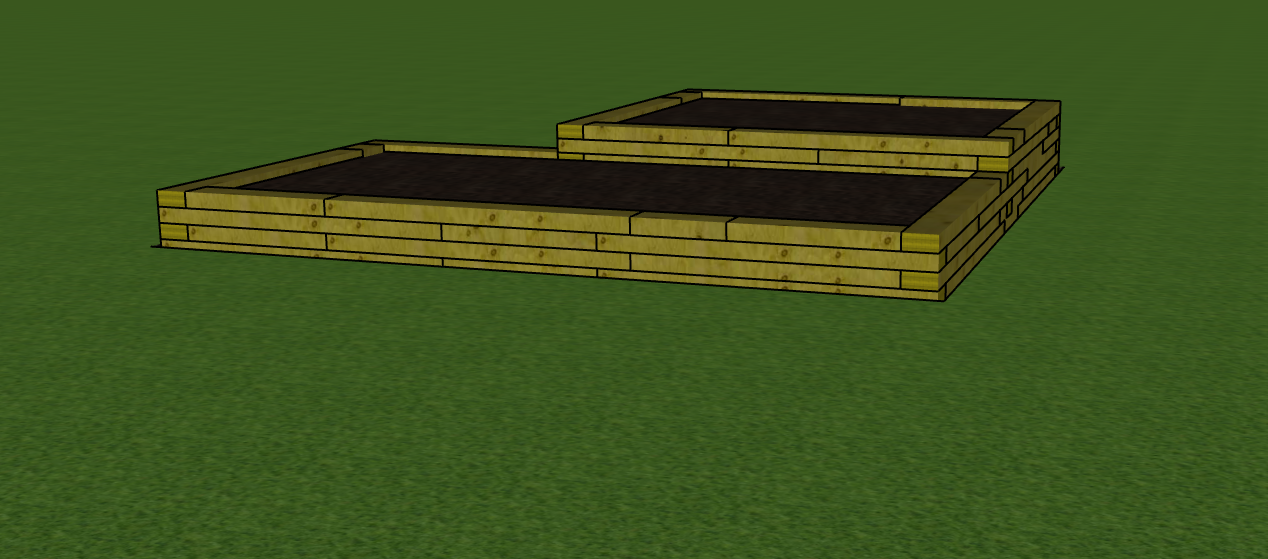
How to build a sleeper raised bed

As well as retaining walls timber sleepers can be used to create raised beds. A great variety of shapes can be created using these, but the shape of the sleepers only really work well with shapes based on right-angles. This though still provides great scope by interlocking the basic squares and rectangles, and varying the…
-
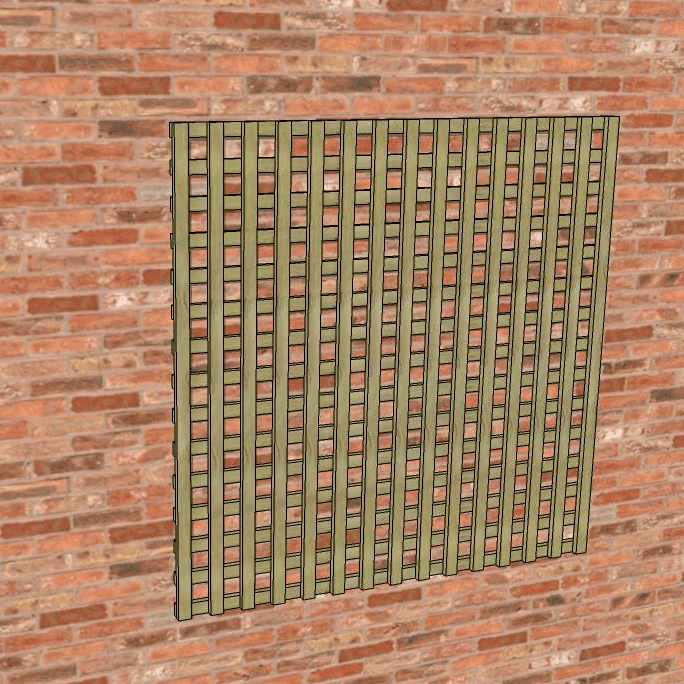
Fixing trellis to a wall
-
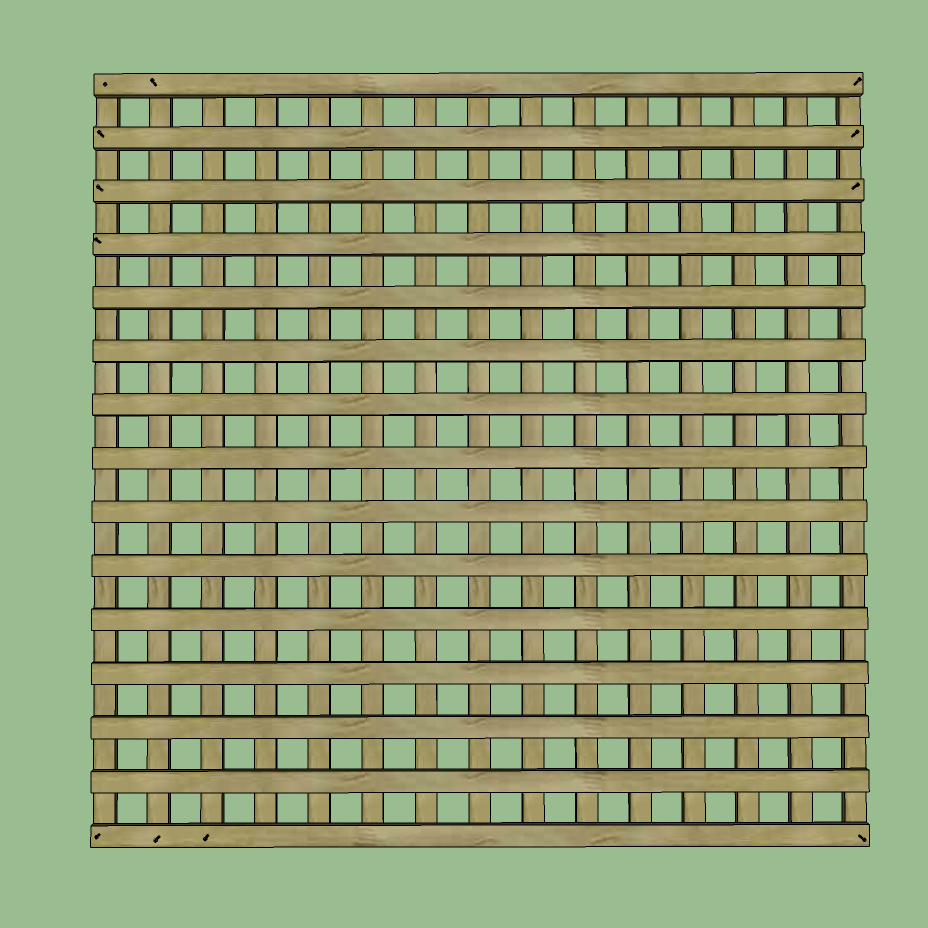
How to make trellis
-
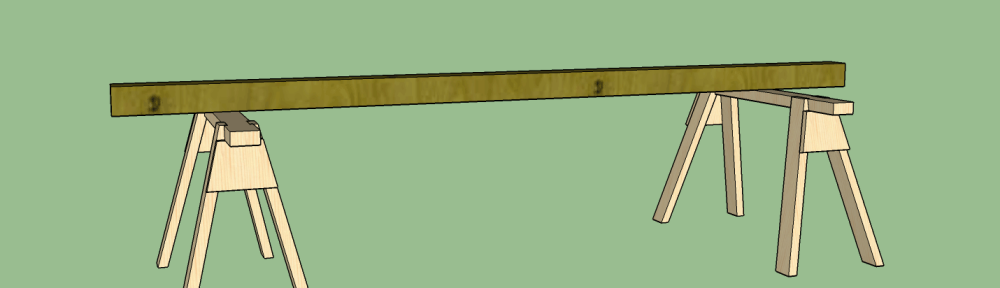
Notching the top of a post to take a 150mm horizontal beam
-
How to lay crazy paving
Crazy paving has fallen right out of fashion; killed first by release of the modern mottle coloured concrete riven flags by Bradstone in the early 1980’s followed by the cheap imported stone flags from the Far East more recently. That said it still has its uses, particularly where an informal path is needed or a…
-
How to design a drive
-
Parts of a Wall
Garden walls are constructed from 5 distinct elements: Subgrade The first, the subgrade, is the ground the entire structure stands upon and so its stability and load bearing ability determines on whether the wall is going to remain standing. For these reasons the wall foundation should be onto undisturbed ground that has not been built…
-
Drive dimensions
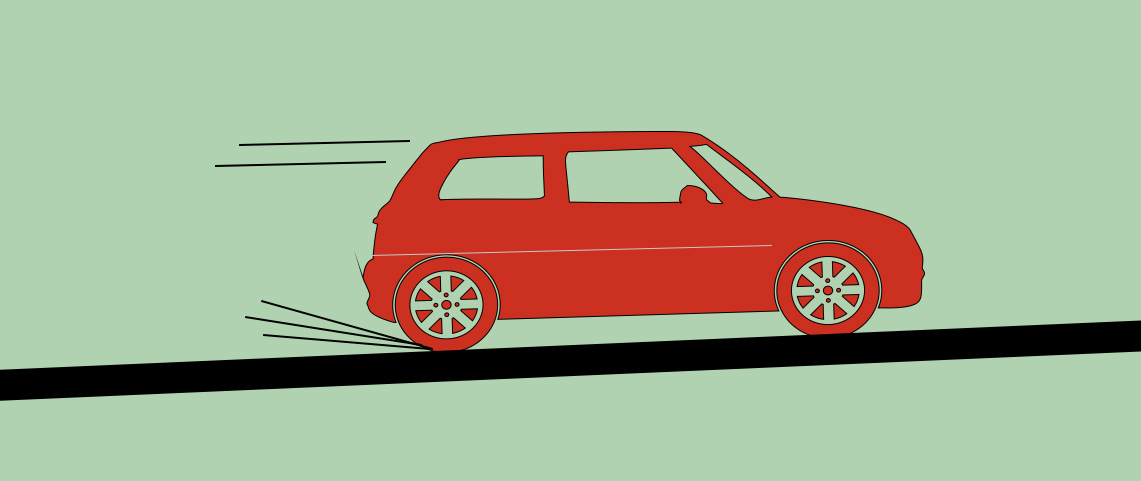
This is a short collection of notes on the dimensions of a private drive. These are for guidance only and should be checked before being used. Local regulations and restrictions may apply and you should check before starting any work. The drive entrance should only be at the verge crossing. The verge crossing will have lowered curbs…
-
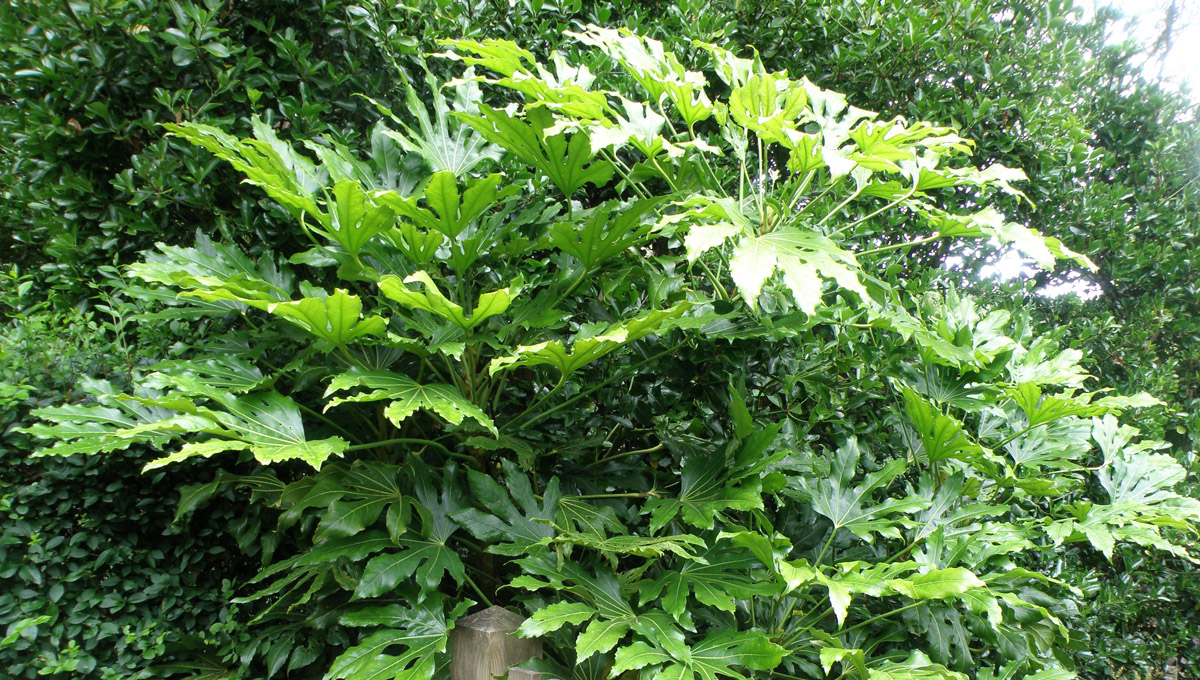
Fatsia japonica
One of the classic garden plants for shade Fatsia japonica is much admired for its large, glossy, evergreen leaves and easy temperament. It grows happily in any reasonable garden soil and does particularly well in shade, though not so well in dry shade. It is also tolerant of a maritime garden though its large leaves…
-
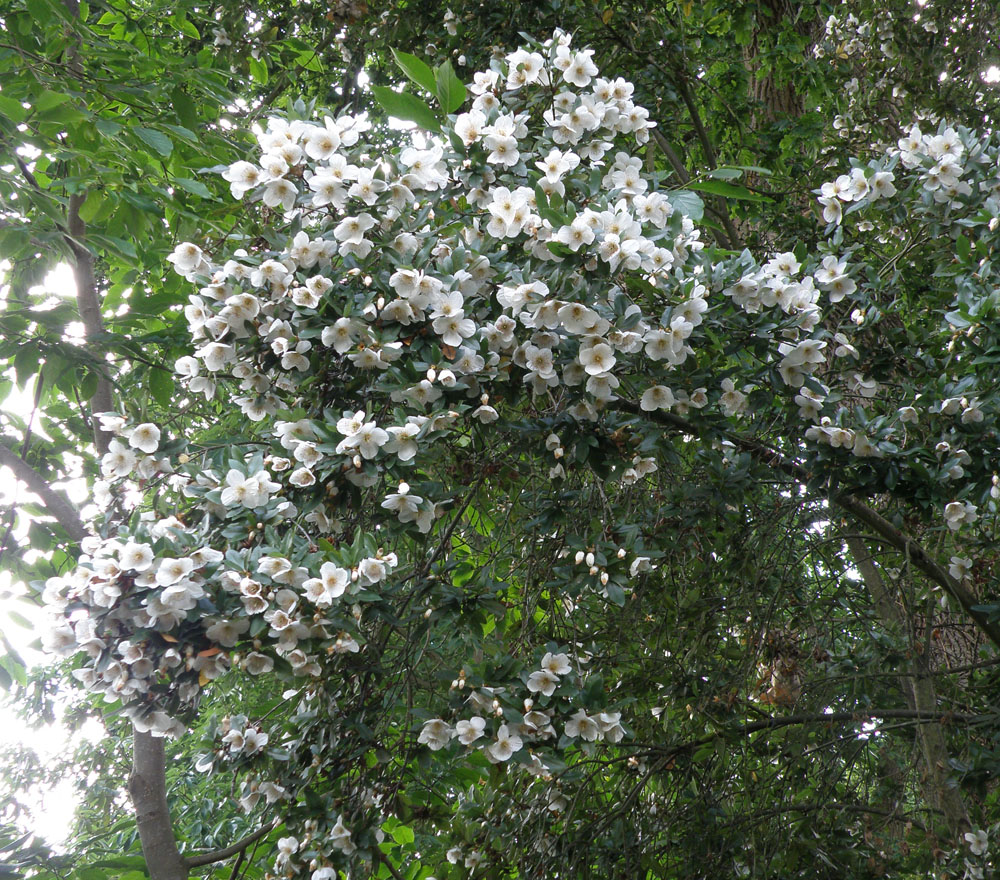
Eucryphia × nymansensis ‘Nymansay’