-
International Code of Nomenclature for algae, fungi, and plants
-
International Code of Nomenclature for Cultivated Plants
The International Code of Nomenclature for Cultivated Plants (ICNCP) lays down a set of rules in an attempt to standardise the way plants produced or selected by humans, as opposed to wild plants, are named. It is in effect a supplement to the International Code of Nomenclature for algae, fungi, and plants (ICN). The first…
-
The Cambridge Illustrated Glossary of Botanical Terms by Michael Hickey and Clive King
This may not seem an obvious choice to include in this list and retailing at about £38 for a paperback it is not exactly cheap; but it does plug a very important gap. This book provides an accessible explanation of the often confusing technical terms used to describe plants. These are words used in botanical…
-
Path design
-
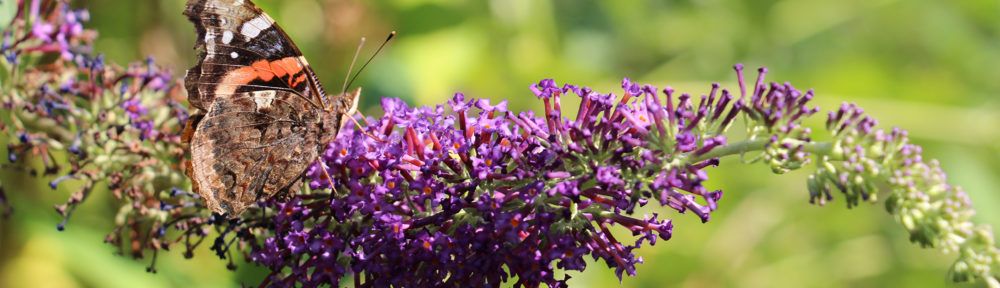
Buddleja davidii

Buddleja davidii Franch.is a popular garden shrub which has escaped cultivation to become established as a naturalised plant in the wild, where it can often be found on waste ground around towns and cities. It will grow happily in most garden soils and can even be seen growing out of cracks in masonry on buildings.…
-
Drive dimensions
This is a short collection of notes on the dimensions of a private drive. These are for guidance only and should be checked before being used. Local regulations and restrictions may apply and you should check before starting any work. The drive entrance should only be at the verge crossing. The verge crossing will have lowered curbs…
-
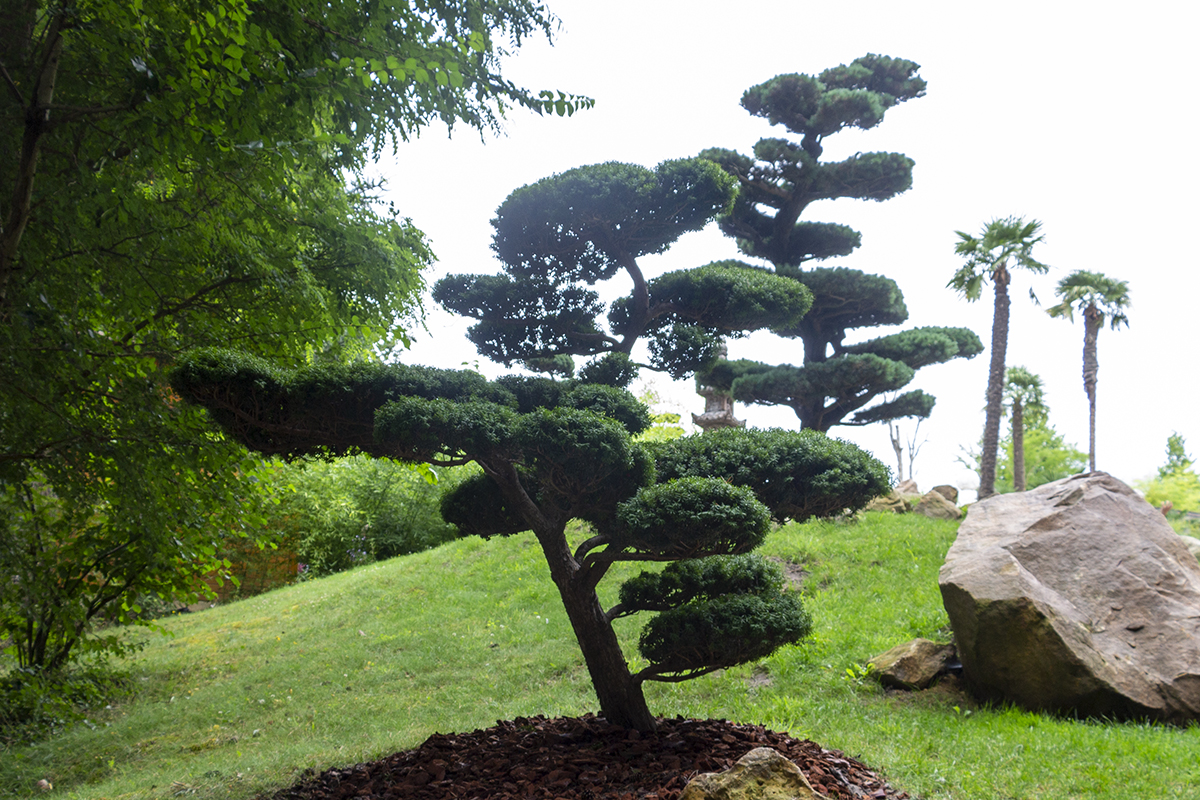
Taxus baccata
The Yew tree is an easily recognisable plant of gardens and the countryside, being one of the few native British plants to be widely grown as an ornamental plant. It is a very adaptable plant growing in most situations with the exception of water logged ground and it responds very well to cutting. This, with…
-
Drive design
-
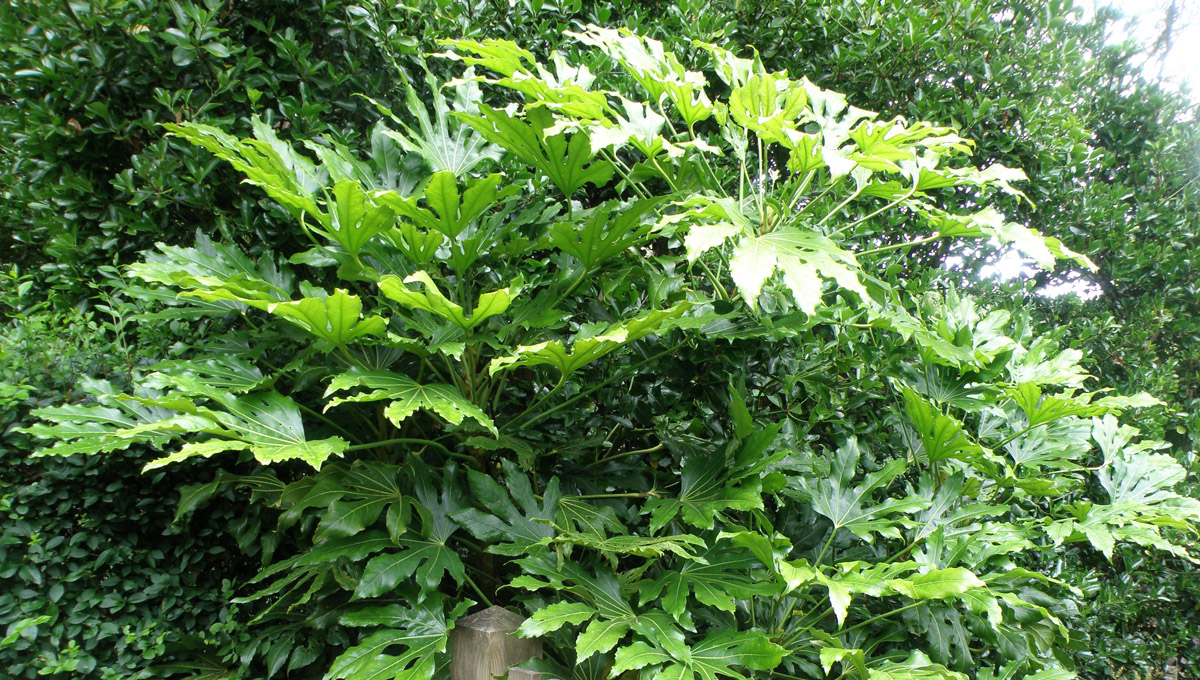
Fatsia japonica
One of the classic garden plants for shade Fatsia japonica is much admired for its large, glossy, evergreen leaves and easy temperament. It grows happily in any reasonable garden soil and does particularly well in shade, though not so well in dry shade. It is also tolerant of a maritime garden though its large leaves…
-
Paving materials